Product titles, images, feature bullets and prices below come from Amazon and were read at publish time; prices and availability change. As an Amazon Associate this site earns from qualifying purchases. Amazon supplies no written product description, so the one-line summary under each product is ours, generated from Amazon Creators title/features/specifications.
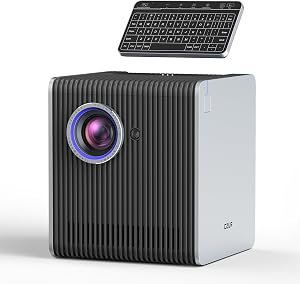
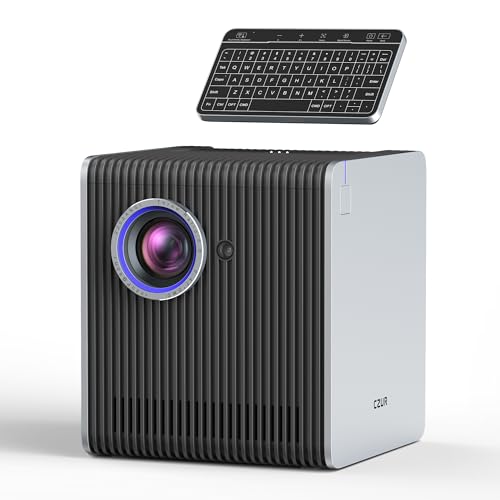
All-in-One Video Conferencing System: StarryHub integrates all the essential devices for a hybrid/local/video conference. It features a Short
Easiest Way to Start a Meeting: Set up a meeting in under 5 minutes with no tangled wires or cables. To initiate a local or hybrid conference, StarryHub requires just one power
Feature bullets above are Amazon's own product data.
Amazon listing, priced $999.00 at the time this page was published. (generated from Amazon Creators title/features/specifications)
4500 ANSI Highest Brightness & Sturdy 360° Rotatable Stand---With upgrade LED lamp built in, the GO2 outdoor projector offers 100% brighter images than other smart projectors. It
Built in Apps and Unparalleled Inner 65W Stereo DoIby Audio---The projector 4k with wifi and bluetooth is pre-installed apps like NetfIix, YouTube and prime video. No need to
Feature bullets above are Amazon's own product data.
Amazon listing, priced $279.99 at the time this page was published, rated 5 on Amazon. (generated from Amazon Creators title/features/specifications)
[Stream Without Limits - Built-in APPs, Compatible with Netflix] The ONO3Pro 2.0 outdoor projector brings the world’s top streaming platforms to your fingertips—no extra devices
[Your Home Theater, Smarter - 2026 Smart TV OS 2.0] The ONO3Pro 2.0 projector with wif and bluetooth is the world’s first smart projector with a self-developed Smart TV OS 2.0
Feature bullets above are Amazon's own product data.
Amazon listing, priced $241.99 at the time this page was published, rated 4.5 on Amazon. (generated from Amazon Creators title/features/specifications)
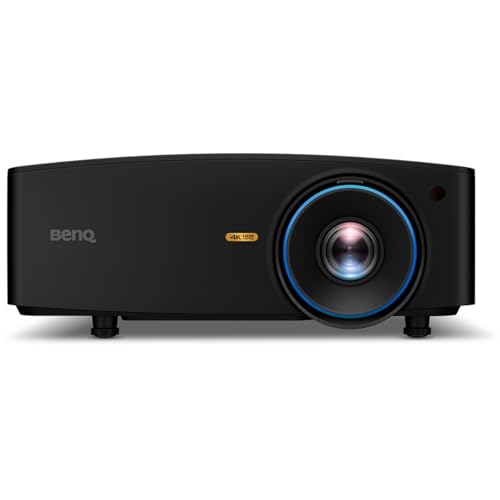
UNMATCHED BRIGHTNESS - Experience vibrant visuals with 5100 ANSI lumens, ensuring clear and bright images even in well-lit environments, perfect for impactful presentations and
ULTIMATE 4K RESOLUTION - Immerse yourself in stunning detail with native 4K UHD (3840 x 2160) resolution, delivering exceptional clarity and sharpness for professional
Feature bullets above are Amazon's own product data.
Amazon listing, priced $4,790.00 at the time this page was published, rated 5 on Amazon. (generated from Amazon Creators title/features/specifications)
The 5-Step Formula That Has Never Steered Us Wrong
Use this exact process. We have run it on every install we have documented since 2026, and it has been bulletproof. Print it, screenshot it, tape it to the wall behind your AV rack.
The Pro Formula: (Screen Area in sq ft) x (Target fL) / (Screen Gain) = Required ANSI Lumens
Step 1, Measure Your Screen Area
Screen Size (16:9)
Approx Area
Best For
100 inches
30 sq ft
Small to mid living rooms
120 inches
43 sq ft
Dedicated theater rooms
150 inches
67 sq ft
Cinema-style basements
Reviewed by the ProjVue Editorial Team
Finding the right how many lumens for home theater projector comes down to matching the features to how you will actually use it.
Manufacturer product photo — how many lumens for home theater projector
Last Updated: June 2026 | Written by the ProjVue Editorial Team
The 30-Second Answer
Dark theater, 100 inch screen: 1,500 to 2,000 ANSI lumens
Key specifications at a glance
Living room with ambient light, 100 inch screen: 2,500 to 3,500 ANSI lumens
Bright space, 120 inch and up: 3,500 to 5,000 ANSI lumens
Three variables decide your number: room light, screen size, and screen gain. And here is the dirty secret nobody tells you, the brightness printed on the box almost never reaches your wall.
Key features at a glance
We have set up dozens of projectors in test rooms ranging from blacked-out basements to sun-flooded lofts, and lumens is the single most common reason a buyer hauls a unit back to the store. The good news, once you understand the framework below, you will size brightness correctly the very first time and never look back.
10x
Typical gap between marketing lumens and real ANSI lumens
16 fL
SMPTE target brightness for a dedicated dark theater
50+ fL
What you need to fight a sunlit living room
5,000
Max ANSI lumens most home rooms ever need
The Lumens Lie: Why Manufacturer Numbers Will Burn You
Walk into any electronics retailer and you will see projectors screaming 9,000, 12,000, even 20,000 "lumens." Those numbers are almost never ANSI lumens. They are LED lumens, light source lumens, or pure marketing fiction with zero standardized measurement behind them.
Reality Check From Our Bench
We have measured advertised 9,000-lumen budget projectors that delivered roughly 400 to 700 ANSI lumens on the actual screen. That is not a typo. The gap can be more than 10x. Imagine paying for a fire hose and getting a garden sprinkler.
ANSI Lumens, Explained Like You Are Buying Your First Projector
ANSI lumens is a standardized brightness measurement defined by the American National Standards Institute. A light meter is placed at nine points across a projected white field, the readings are averaged, and the result is multiplied by the screen area in square meters. It is the only brightness spec worth comparing across brands.
Build quality and design details up close
When you see a projector spec sheet that lists ANSI lumens (or the newer ISO 21118 equivalent), you are looking at a real, comparable number. When you see "lumens" with no qualifier, treat it with the same skepticism you would a stranger selling a Rolex out of a trench coat.
"A reputable 2,000 ANSI lumen projector will visibly out-punch a 9,000 'brightness lumen' budget unit on the same wall, in the same room, at the same screen size. We have repeated this comparison enough times that we now ignore any number that does not say ANSI or ISO."
— ProjVue Editorial Team
Watch This Before You Buy Anything
If you are a visual learner, this is the clearest 8-minute breakdown of ANSI versus marketing lumens we have found, and it pairs perfectly with the math below. Press play, then come back and let the formula seal it in.
Bigger screen, more lumens. The relationship is linear, double the area, double the brightness you need. There is no cheating this math.
Step 2, Pick Your Target Brightness in Foot-Lamberts (fL)
Foot-lamberts measure the brightness reflected back at your eyeballs, the only thing that actually matters. Here is what the pros aim for:
Dark Theater
12 to 16 fL
SMPTE cinema standard, lights fully off
Controlled Living Room
20 to 30 fL
Bias lighting, blackout curtains drawn
Ambient Light Battle
35 to 50+ fL
Daytime viewing, windows uncovered
Step 3, Account for Screen Gain
Screen gain is a multiplier. A 1.0 gain screen reflects 100 percent of the light hitting it in a Lambertian pattern. A 1.3 gain screen sends 30 percent more light back toward your seating position, at the cost of viewing angle.
Pro Tip: A high-gain (1.3 to 1.5) screen can effectively give you a 30 to 50 percent brightness boost without spending another dollar on the projector. The trade-off is a narrower seating sweet spot. If your couch is centered on the screen, this is a free upgrade.
Step 4, Run the Math
The full equation:
Required ANSI Lumens = (Screen Area sq ft) x (Target fL) / (Screen Gain)
Worked example: A 120 inch screen (43 sq ft) in a living room targeting 30 fL with a 1.1 gain screen needs:
43 x 30 / 1.1 = 1,173 ANSI lumens minimum
Add a 30 to 50 percent buffer for lamp degradation, dust, and content with darker average picture levels. That puts your real target around 1,700 to 2,000 ANSI lumens.
Step 5, Buy With a Buffer, Not at the Edge
Projector light output drops over time. Lamp-based units lose roughly 25 percent brightness by the 1,500 hour mark. LED and laser hold up better but still fade. Buy 30 percent above your calculated minimum and you will be watching the same crisp image three years from now that you saw on day one.
See the Formula in Action
This second video walks through a real-world lumens calculation on three different room setups and is the perfect chaser to the math above.
The Three Mistakes We See Buyers Make Every Single Week
Mistake 1: Chasing the biggest box number
That 12,000 "lumen" Amazon unit is almost certainly weaker than a 2,500 ANSI lumen brand-name projector. Always sort by ANSI or ISO 21118, never by raw "lumens."
Mistake 2: Ignoring ambient light
A single uncovered window during the day can wash out 1,500 lumens of effective brightness. Either control the light or buy a projector that can punch through.
Mistake 3: Sizing for the screen, not the seat distance
Lumens matter to the projector, but perceived brightness scales with how close you sit. A 150 inch screen viewed from 10 feet feels dimmer than a 100 inch screen at the same distance for the same lumens output.
Quick Reference: What to Actually Buy
Your Room
Screen Size
Target ANSI Lumens
Pitch-black home theater
100 to 120 inches
1,500 to 2,000
Living room with curtains
100 to 120 inches
2,500 to 3,500
Open-plan or daylight room
100 to 120 inches
3,500 to 5,000
Outdoor backyard cinema
120 inches and up
5,000 plus
The Bottom Line
Three Rules to Live By
1. Trust only ANSI or ISO 21118 lumens. Ignore everything else.
2. Match brightness to your room, not the bigger-is-better instinct.
3. Always buy 30 percent above your calculated minimum to absorb lamp fade and dark scenes.
Get these three right and you will have the image you have been dreaming about, with zero buyer's remorse.
Key Takeaways
Choosing the right how many lumens for home theater projector means matching the key features to your specific needs and budget
Read real customer reviews and check the return policy before you commit
Also covers: ansi lumens explained
Also covers: projector brightness dark room
Also covers: lumens for living room projector
Compare value across models — the priciest option is not always the best fit
See How It Works
Watch this helpful video to learn more
Lamp vs LED vs Laser Projectors - What's The Difference?
Helpful Video Resources
The Best Home Theater Projectors to Buy Right Now
How Many Lumens Does My Projector Need?
ANSI lumens vs marketing lumens projector explained
ANSI lumens vs marketing lumens projector explained
Explore More Reviews
Check out our in-depth reviews, comparisons, and buying guides.
![[3500 ANSI/Built in Apps/65W Audio] Outdoor 4K-Projector with WiFi and Bluetooth 5.4, Auto](/aimg/images/I/61uCEIeZRxL._AC_SL300_.jpg)
![Outdoor-Projector-4K with WiFi and Bluetooth: [3000 Brightness/50W DoIby/Built-in APPs] Po](/aimg/images/I/717V8dqOBcL._AC_SL300_.jpg)
![[4200 ANSI & Officially-Licensed APP] 4K Projector with WiFi and Bluetooth, Auto Focus](/aimg/images/I/61jfOUDoy-L._AC_SL300_.jpg)
![[3500 ANSI/Built in Apps/65W Audio] Outdoor 4K-Projector with WiFi and Bluetooth 5.4, Auto Focus Smart Projector Support DoIby Audio, Upgrade GO2 Short Throw Projector with 360°Stand](https://projvue.com/aimg/images/I/41WlmVV28sL._SL500_.jpg)
![Outdoor-Projector-4K with WiFi and Bluetooth: [3000 Brightness/50W DoIby/Built-in APPs] Portable-Projector Smart OS 2.0&AI Auto Focus, ONOAYO Movie Proyector Compatible with Netflix/YouTube/PrimeVideo](https://projvue.com/aimg/images/I/41O8hZe-3hL._SL500_.jpg)